
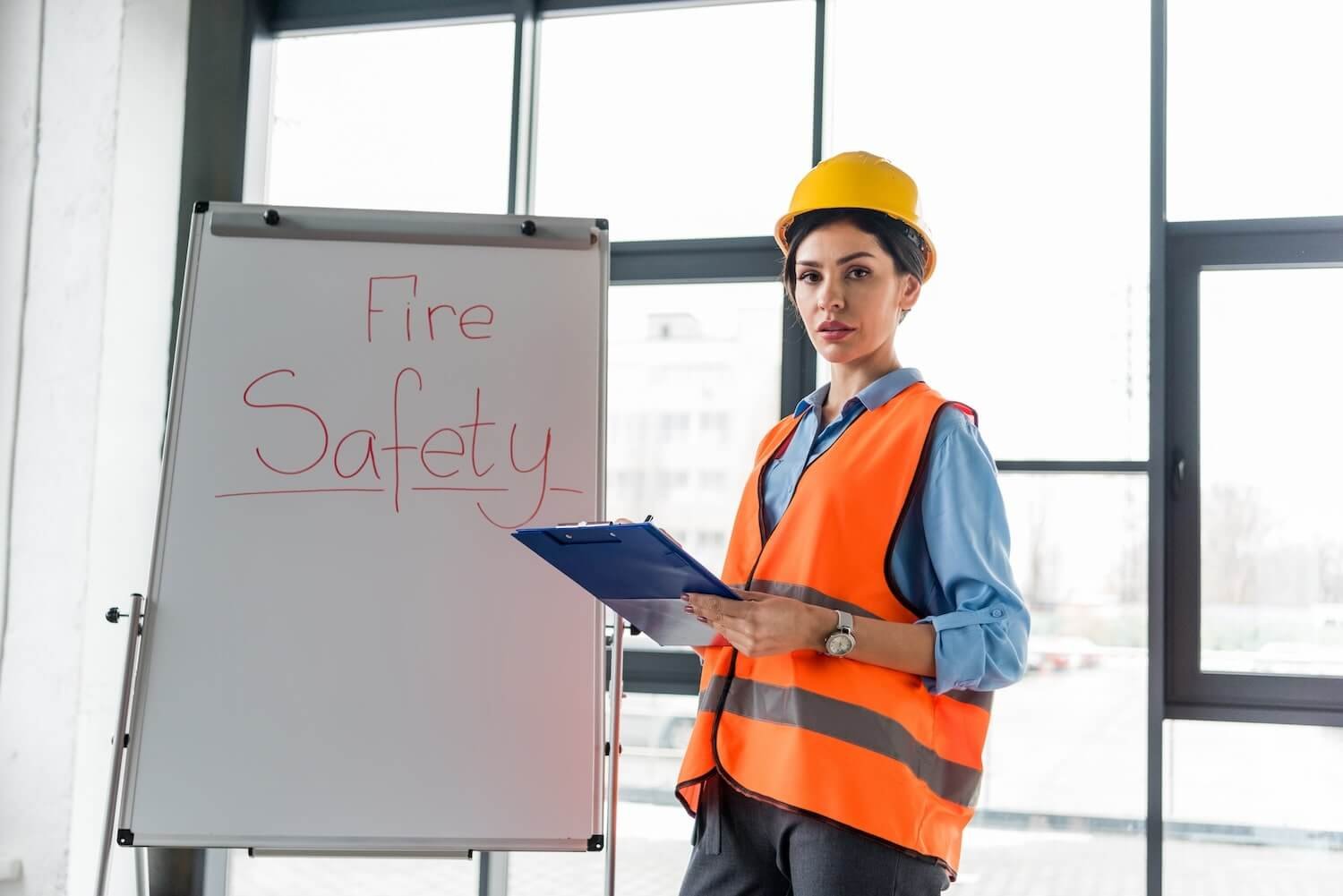
Fire Risk Assessment Explained in Simple Terms

Fire risk assessment is an important process that helps identify fire dangers and reduce the chances of fire accidents. Many people find the term technical, but in reality, it simply means looking around a building to understand how a fire could start, who could be affected, and what can be done to stay safe. Fire risk assessment is not just about following rules; it is about protecting lives and property.
What Is a Fire Risk Assessment?
A fire risk assessment is a careful review of a building to find possible fire hazards and risks. It looks at ignition sources, flammable materials, and people who might be harmed if a fire occurs.
The goal is to take practical steps to prevent fires and make sure everyone can escape safely if a fire does happen.
Why Fire Risk Assessment Is Important
Fire can spread very quickly and cause serious damage in a short time. A fire risk assessment helps reduce this danger by identifying risks before they become accidents.
It ensures that fire safety measures are suitable for the building and its use. Without an assessment, many fire risks may go unnoticed until it is too late.
Who Needs a Fire Risk Assessment?
Fire risk assessments are required in almost all non-domestic buildings. This includes offices, shops, factories, schools, hospitals, hotels, and residential buildings with shared areas.
Building owners, employers, or managers are usually responsible for carrying out the assessment and making sure safety measures are in place.
Identifying Fire Hazards Made Easy
Fire hazards are anything that could start a fire or make it worse. Common ignition sources include electrical equipment, heaters, cooking appliances, and open flames.
Fuel sources include paper, furniture, chemicals, packaging materials, and waste. Oxygen is also a factor, as it helps fires grow. A fire risk assessment simply checks how these elements come together.
See also: The Science Behind Why Kids Are Flu Magnets at Home
Understanding Who Is at Risk
The assessment also looks at who could be affected by a fire. This includes employees, visitors, residents, and contractors.
Special attention is given to people who may need extra help during an evacuation, such as elderly individuals, people with disabilities, or young children.
Simple Fire Prevention Measures
Fire risk assessment leads to practical prevention steps that are easy to understand and apply. This may include fixing faulty wiring, keeping escape routes clear, and safely storing flammable materials.
Good housekeeping, regular equipment maintenance, and safe working practices can significantly reduce the risk of fire.
Fire Detection and Warning Systems
Early warning saves lives. Fire risk assessment checks whether alarms, smoke detectors, or heat detectors are suitable for the building.
If a fire is detected early, people can evacuate safely and emergency services can respond quickly, preventing the situation from becoming worse.
Safe Escape Routes and Emergency Planning
Fire risk assessment ensures that escape routes are clearly marked, well-lit, and free from obstacles.
It also helps create simple emergency plans so everyone knows what to do in case of a fire. Practicing these plans through fire drills makes evacuation smoother and safer.
Training and Fire Safety Awareness
Fire safety training is an important part of fire risk assessment. When people understand fire risks and know how to respond, accidents are less likely to occur.
Training helps employees stay alert to hazards and act responsibly, creating a safer environment for everyone.
Reviewing and Updating the Assessment
Fire risk assessment is not a one-time task. Buildings change, and new risks can appear over time.
Regular reviews help ensure that safety measures remain effective and up to date, providing continuous protection.
Conclusion
Fire risk assessment, explained in simple terms, is about identifying fire dangers and taking sensible steps to reduce them. It helps prevent fires, protects people, and ensures safe evacuation. By understanding and applying fire risk assessment principles, individuals and organizations can create safer environments and significantly reduce the risk of fire-related incidents.